In today’s fast-paced world, being prepared for emergencies is no longer optional it’s essential. Whether it’s a minor injury at home, a sudden health issue while traveling, or an unexpected situation outdoors, having a well-prepared urgent care kit can make a huge difference. Not only does it help you respond quickly, but it also reduces stress and improves overall safety for you and your loved ones.
This guide will walk you through everything you need to know to build an effective urgent care kit while also connecting it to broader concepts like self care Healthy Lifestyle and Stress Managment—because preparation is deeply linked to mental and physical well-being.
Why an Urgent Care Kit Is Important
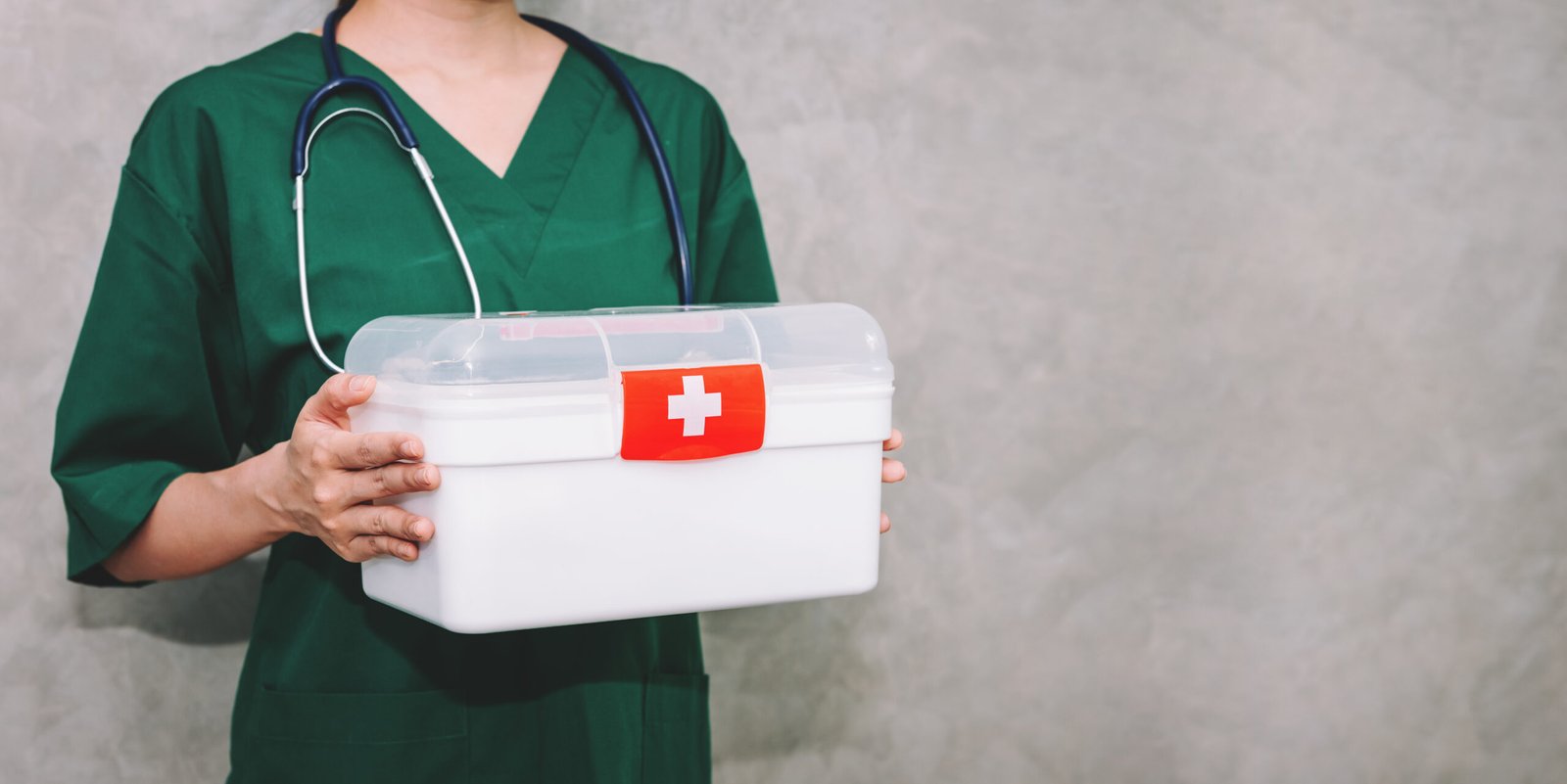
An urgent care kit is more than just a box of bandages—it’s your first line of defense in emergencies. It allows you to act immediately before professional medical help arrives.
Emergencies often come with panic and confusion. Being prepared helps reduce anxiety and supports Boosting Your Mental Health and Wellness When you know you have the tools to manage a situation, your mind stays calmer and more focused.
Preparation also aligns with self care practices. Taking responsibility for your safety and health is one of the most powerful forms of self-respect and awareness.
Essential Items for Your Urgent Care Kit
A well-equipped urgent care kit should include a balance of basic medical supplies and emergency tools. Here are the essentials:
1. Basic First Aid Supplies
Start with the fundamentals:
- Adhesive bandages (various sizes)
- Sterile gauze pads and tape
- Antiseptic wipes or solution
- Antibiotic ointment
- Cotton balls and swabs
These items help treat cuts, wounds, and minor injuries effectively.
2. Medications and Pain Relief
Include commonly used over-the-counter medications:
- Pain relievers (paracetamol or ibuprofen)
- Antihistamines for allergies
- Anti-diarrheal tablets
- Oral rehydration salts
Keeping these in your urgent care kit ensures quick relief in common health situations.
3. Emergency Tools
Beyond medical supplies, you need tools:
- Digital thermometer
- Tweezers and scissors
- Disposable gloves
- Flashlight with extra batteries
- Emergency contact list
These tools improve your ability to respond effectively during emergencies.
4. Personal Medical Needs
Customize your kit based on your health:
- Prescription medications
- Inhalers (for asthma patients)
- EpiPen (for severe allergies)
Personalization makes your urgent care kit truly effective.
Organizing Your Kit for Quick Access
A cluttered kit is almost as bad as having no kit at all. Organization is key.
- Use labeled compartments
- Keep frequently used items on top
- Store in a waterproof container
- Place it in an easy-to-reach location
Quick access reduces panic and supports better Stress Managment during emergencies.
Creating a Portable Urgent Care Kit
You should have more than one kit:
- Home kit
- Car kit
- Travel kit
A portable urgent care kit ensures you’re prepared wherever you go. Travel emergencies can be unpredictable, and being prepared promotes a Healthy Lifestyle rooted in awareness and responsibility.
Mental Preparedness and Emergency Response
Physical tools are only half the equation. Your mental state matters just as much.
Practicing Positive Affirmations for Mental Health 2026 can help you stay calm in emergencies. Simple affirmations like:
- I am prepared and capable.
- I can handle this situation calmly.
These thoughts improve decision-making and reduce panic.
Emergency preparedness also connects with broader topics like Psychedelics and Mental Health where research explores how mental resilience and awareness can influence reactions to stress and crisis situations.
How Self Care Enhances Emergency Preparedness
Many people don’t realize that building an urgent care kit is a form of self care. It reflects:
- Responsibility for your well-being
- Awareness of potential risks
- Commitment to safety
When combined with a Healthy Lifestyle, it creates a holistic approach to health—physical, mental, and emotional.
Preparedness reduces fear, which directly supports better Stress Managment.
Regular Maintenance of Your Urgent Care Kit
A kit is only useful if it’s up to date. Make sure you:
- Check expiration dates every 3–6 months
- Replace used items immediately
- Update medications as needed
- Adjust contents based on seasonal needs
For example, add sunscreen in summer or cold medicine in winter.
Common Mistakes to Avoid
When building your urgent care kit, avoid these mistakes:
- Overloading it with unnecessary items
- Forgetting essential medications
- Not labeling contents
- Keeping it in hard-to-reach places
Simplicity and accessibility are key to effectiveness.
Emergency Planning Beyond the Kit
Your urgent care kit is just one part of a larger safety plan.
You should also:
- Learn basic first aid skills
- Keep emergency numbers saved
- Educate family members on how to use the kit
Preparedness reduces chaos and helps you stay in control during critical moments.
A Note on Legal Awareness and Safety
In some emergency situations, legal matters can also arise—especially in public incidents or disputes. While topics like Lawyers Dispute ICE Self may seem unrelated, they highlight the importance of understanding your rights and responsibilities during emergencies.
Being informed helps you respond not just medically, but also responsibly in complex situations.
Final Thoughts
Creating an urgent care kit is one of the smartest and most practical steps you can take for your safety. It’s not just about handling injuries—it’s about building confidence, reducing stress, and promoting a balanced healthy lifestyle.
When combined with self care, Stress Managment and positive mental practices like Positive Affirmations for Mental Health 2026 your preparedness becomes a powerful tool for overall well-being.
Remember: emergencies don’t come with warnings—but your preparation can make all the difference.
FAQs
1. What should be included in an urgent care kit?
A basic urgent care kit should include bandages, antiseptics, medications, emergency tools, and personal medical items tailored to your needs.
2. How often should I check my urgent care kit?
You should check your kit every 3–6 months to ensure all items are up to date and functional.
3. Can an urgent care kit help reduce stress?
Yes, being prepared with an urgent care kit improves Stress Managment by giving you confidence and control during emergencies.
4. Is an urgent care kit part of self care?
Absolutely. Preparing a kit is a proactive form of self care that protects your physical and mental health.
5. Should I carry a portable urgent care kit?
Yes, having a portable version ensures you’re prepared for emergencies at home, in your car, or while traveling, supporting a safer and more Healthy Lifestyle.